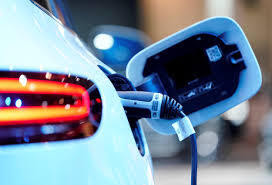
Electric vehicles are having a good run. But are they the solution to our energy problems? Andrew Nikiforuk is skeptical:
I reject the optimistic narrative for electric vehicles. Instead, here’s what I fear. EVs will end up simply adding to energy demand by vastly accelerating society’s embrace of automation and artificial intelligence.
My sense is that industries pushing electric cars are not so much concerned with slowing down extreme climate change as they are accelerating technological control over our lives — all under the guise of liberation. We’ve been groomed to accept this as inevitable progress. In 2015, Google engineer and ultra-techno-optimist Ray Kurzweil pronounced autonomous electric vehicles a sure thing that, as one article paraphrased, would “free us up to do something else instead of driving during the commute.”
Nikiforuk believes that EVs won't solve our emissions problems:
Passenger vehicles produce about 10 per cent of all global greenhouse gas emissions. Other forms of transportation collectively add another six per cent. Approximately 1.4 billion ICE vehicles now clog the world’s ever-expanding road system. Replacing every one of these old farts with electric wonders — even if such a scheme were possible — would only address 16 per cent of the carbon dioxide problem.
Actually, not even. Because if we assume all the new electric cars run on “renewable” energy such as wind or solar power, these systems require fossil fuels for their manufacture, installation and maintenance. In fact, it takes more carbon emissions to make an electric car than a conventional vehicle because of the energy intensity of battery manufacture. And of course electric cars run on roads made of and by fossil fuels.
But the problem is more complicated than that. Houston energy analyst Art Berman raises another neglected point. Transport is not the main use of ICEs. Of the 165 million internal combustion engines manufactured in 2020, less than half, 78 million, were destined for the road. Agriculture, manufacturing, power generation, forestry and construction accounted for the other 53 per cent, says Berman.
To complicate matters further, EVs require materials that need to be mined:
Replacing ICE cars with EV cars likely won’t radically reduce emissions, but these machines will energize and expand the globe’s energy intensive mining sector.
Last year the Paris-based International Energy Agency published a report on critical minerals needed for electric cars and renewables. The IEA, no radical organization, described the EV revolution as a “shift from a fuel-intensive to a material-intensive energy system.” In other words, buying an electric car just moves civilization’s ever-expanding industrial footprint from one kind of mining to another, from fracked well pads to open-pit mines.
About 10 per cent of the world’s energy spending now goes to the extraction of minerals. According to the IEA, the electric car requires six times the mineral inputs of a conventional vehicle. Most of these minerals go into the battery manufacturing. They include lithium, nickel, cobalt, manganese, copper and graphite. There are other minerals with names like neodymium, praseodymium, dysprosium and terbium.
According to the Geological Survey of Finland, “the production/consumption of industrial minerals increased by 144 per cent between 2000 and 2018.” An EV boom will accelerate that industrial assault on ecosystems around the world, creating, as the IEA notes, a host of environmental and social challenges. “The prospect of a rapid increase in demand for critical minerals — well above anything seen previously in most cases — raises huge questions about the availability and reliability of supply.” No kidding.
To make one tonne of lithium, mined in high and dry alpine places like Chile and Tibet, requires 500,000 gallons of water. Lithium mining is no more green or clean than hydraulic fracturing or bitumen mining. “Like any mining process, it is invasive, it scars the landscape, it destroys the water table and it pollutes the Earth and the local wells,” said Guillermo Gonzalez, a lithium battery expert from the University of Chile, as far back as 2009. “This isn’t a green solution — it’s not a solution at all.”
You see where this is going. The automobile industry is going electric. But that doesn't mean that the world will experience a green new day.
Image: nbcnews.com
